The social inclusion seminar concluded with great success. For over a week, young members of the 3 think tanks from Poland, Greece and Czechia, worked on proposals for inclusion mechanisms for excluded individuals.
The activities were focused on the concepts of social inclusion of youth and issues related to the inclusion of various social groups into the life of non-governmental organizations. The work on these significant topics demonstrated the commitment and creative thinking of the young seminar participants.
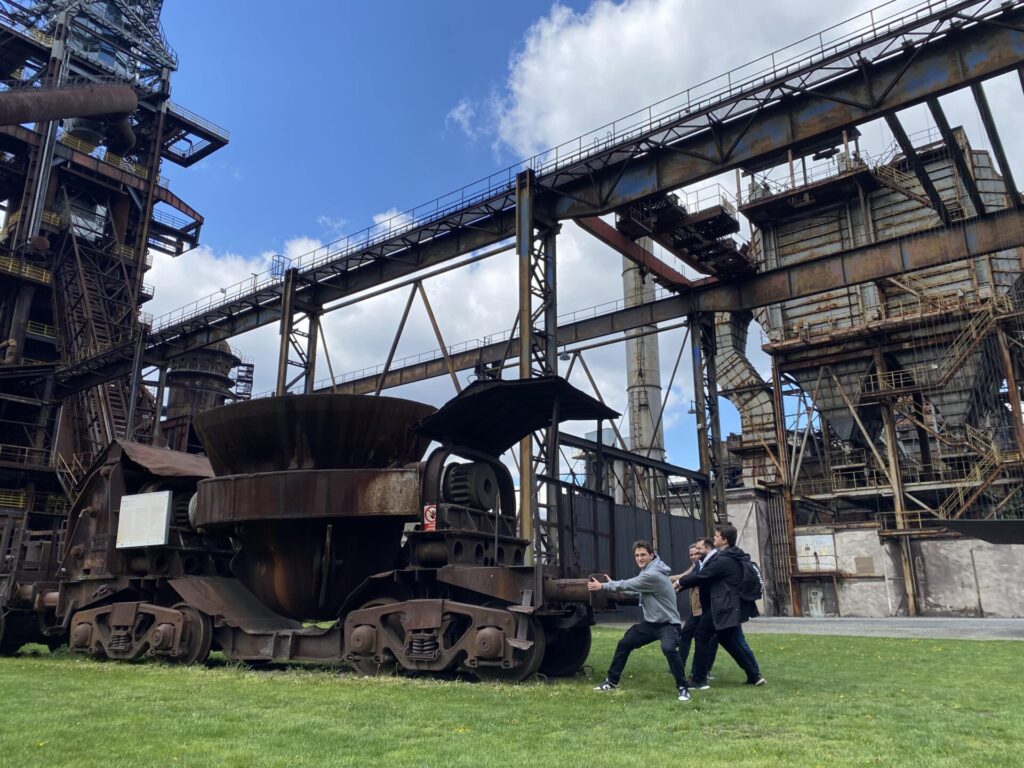
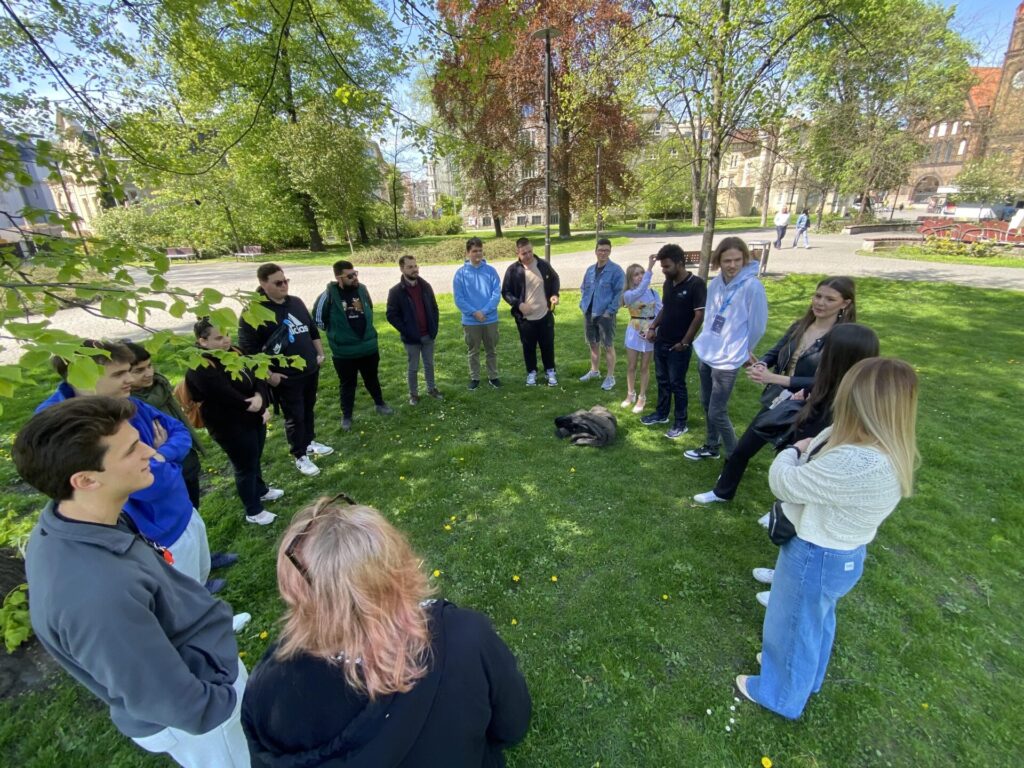
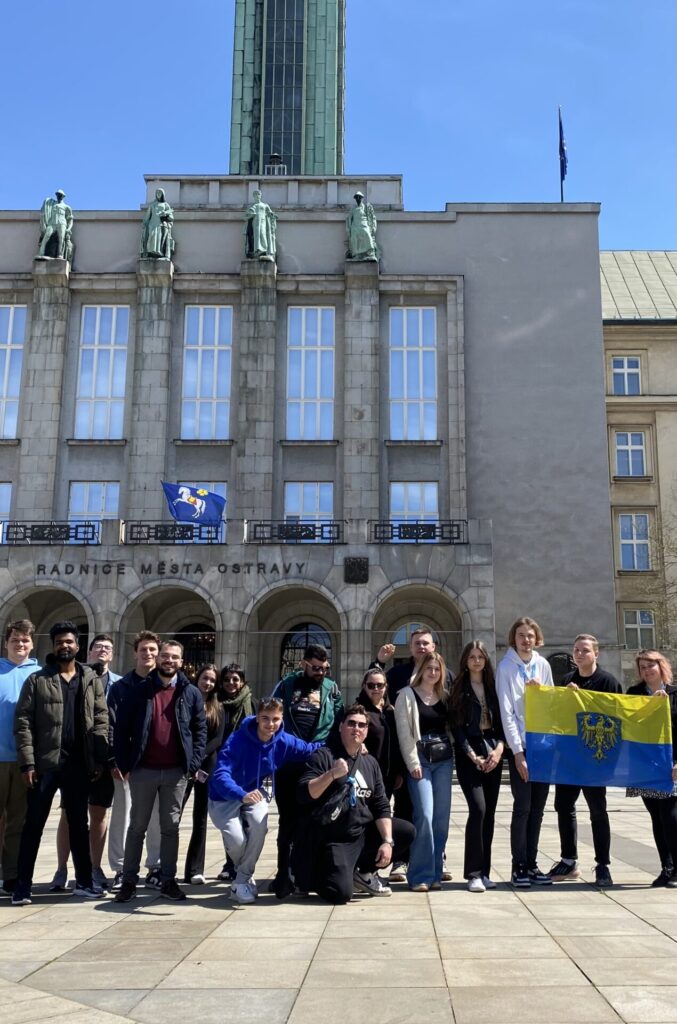
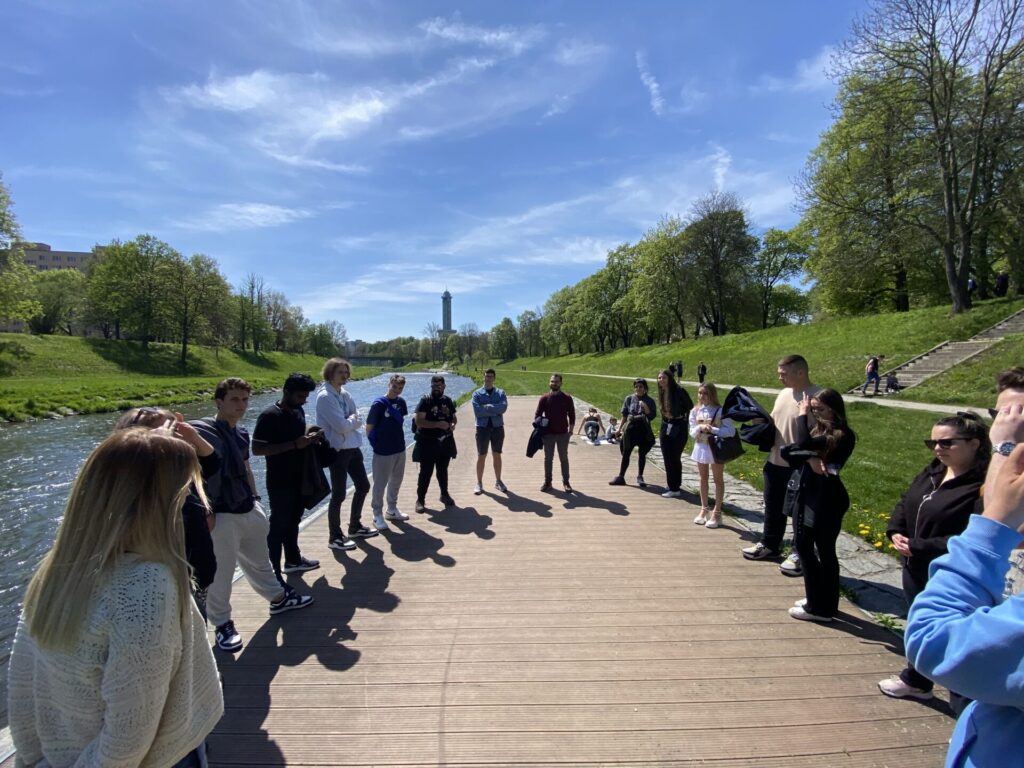
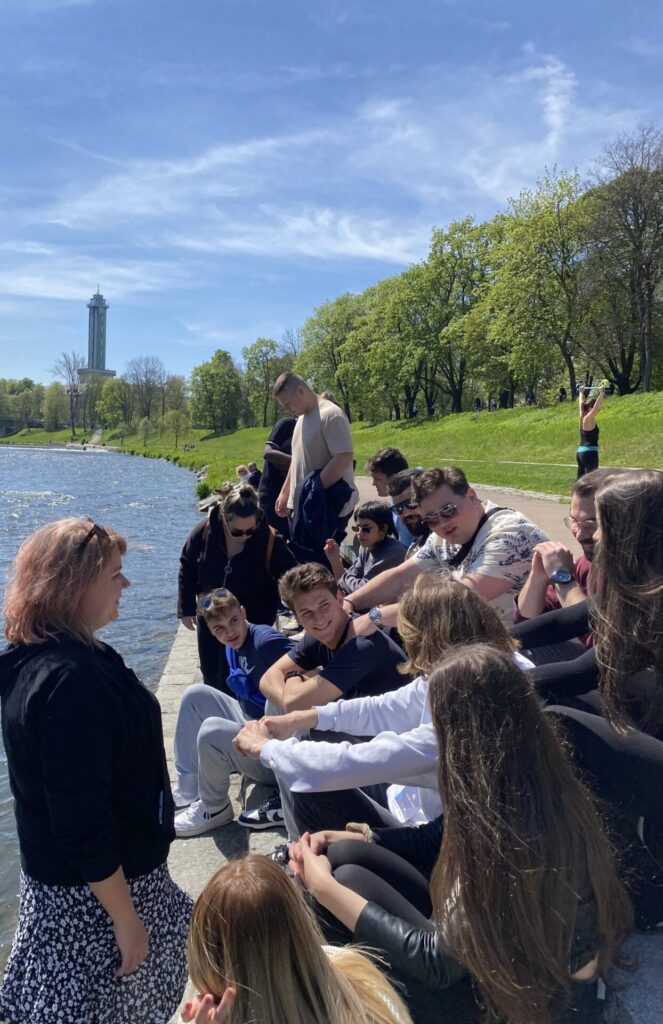
But the seminar was not just about work, workshops, and discussions. Part of the program also included national evenings, during which participants had the opportunity to integrate by sharing traditional dishes from their countries, such as Polish pierogi, Greek moussaka, and Czech bramboráky. These moments of integration allowed participants not only to learn about the cultures of other countries but also to build mutual understanding and respect.
The fruits of the youth’s work will is the policy inclusion template that can be downloaded from our site here. Young people participated in workshops led by experienced experts, utilizing non-formal and intercultural education methods. The goals of these workshops were:
Personal support, focusing on the development of self-confidence and interpersonal skills,
Developmental support, focusing on group work, time management, project work, and communication tools,
Strengthening leadership competencies, encompassing the development of key skills and traits of a leader,
Digital support, associated with the use of IT tools in team work and communication,
Language support, with an emphasis on practical aspects of communication.
The seminar was focused on the personal preparation of participants and on the development of good practices. Part of these activities required the implementation of additional inclusion mechanisms.
As part of the seminar, in each of the think tanks (with the main participation of youth and experts), an inclusive policy was developed – a document defining actions in the case of undesirable situations and positive discrimination actions. In the statutory documents of the organizations, roles of inclusivity coordinators were created, which in the first term were held by the seminar participants.
Additionally, an exchange of good practices was planned among the think tanks – a daily presentation of one think tank and a daily workshop panel aimed at improving its operation.
Here you can learn more about our think tanks.