Overview
In response to the need for enhanced inclusion and representation within organizations, the Fundacja Europejskich Inicjatyw na Śląsku (FEIS), in partnership with local and national organizations, organized a series of inclusion workshops. These workshops, part of an international initiative under the “Think Tank – Chance for Youth” project, aimed to equip participants with both theoretical knowledge and practical tools for developing and implementing inclusive policies. By addressing critical areas such as diversity, anti-discrimination, and the role of inclusion coordinators, these workshops are essential steps toward fostering sustainable, inclusive environments across various sectors.
Workshop Objectives and Structure
Each one-day workshop was designed to address the problem of underrepresentation and provided participants with both short-term and long-term tools for fostering inclusion.
Topics included:
- Understanding Inclusion and Representativeness: Participants learned about the importance of representativeness in decision-making spaces, recognizing how diverse voices contribute to the effectiveness and relevance of organizational policies.
- Practical Tools for Inclusion: Both immediate (short-term) and sustained (long-term) strategies for inclusion were presented. These included frameworks for building inclusive policies and adaptable tools for fostering diversity within organizations.
- Role of Inclusion Coordinators: The training underscored the role of inclusion coordinators as key figures in implementing inclusive policies, detailing the function, responsibilities, and skills required for effective coordination.
- Implementation of Regulations: Participants gained insight into structuring and applying organizational regulations that support and safeguard diversity and inclusion efforts.
- Networking and Knowledge Sharing: The workshops served as networking opportunities, connecting participants across regions and sectors to share best practices and collaborate on future inclusion initiatives.
Participant Engagement and Reach
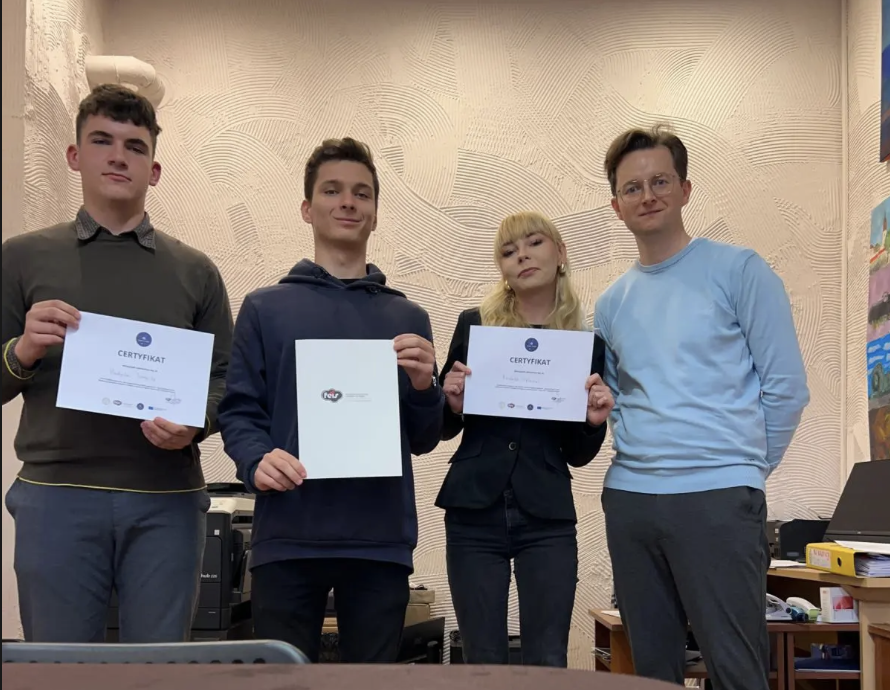
The workshops attracted 90 participants across three countries, each led by an expert from the respective organization alongside a youth inclusion coordinator. These practitioners provided a unique perspective, sharing firsthand experiences in managing inclusion policies and strategies. This hands-on approach enhanced the training’s practicality, allowing participants to directly apply what they learned to their organizational settings.
In Poland, specific workshops were conducted in partnership with FEIS, Youth Council of Bytom, Foundation In Corpore and PROM – Polish Council of Youth Organizations and other inclusion-focused organizations. The workshops held on April 22nd in Katowice, 15th May in Warsaw, October 3rd in Bytom were notable for their high attendance and engagement:
Bytom Workshop
This session offered a focused, practical exploration of implementing inclusion policies in different organizational settings, providing templates for participants to customize. Key concepts covered included diversity, discrimination prevention, and measuring the effectiveness of implemented actions. Participants received templates for inclusion policies to customize for their organizational needs.
Katowice Workshop
Aimed at organizations working with migrant communities, this session provided practical guidance for creating policies that accommodate diverse backgrounds and foster a culture of inclusion within organizations. Participants were equipped with templates for policy drafting, practical tools to implement in their own organizations, and strategies to combat discrimination.
PROM Workshop
Organized under the auspices of PROM (Polska Rada Organizacji Młodzieżowych), this workshop targeted representatives from various youth organizations, providing tools to implement the inclusion policies discussed within their respective organizations.
Conclusion
The inclusion training workshops in Poland represent a significant stride towards empowering organizations with the tools and knowledge to implement sustainable inclusion policies. With a structured approach to education, policy development, and network building, these workshops have provided a foundation for improved representation and diversity within Polish organizations. The initiative sets a precedent for future inclusion efforts, supporting a stronger, more inclusive youth sector and fostering long-term societal change.